

A closing conference sounds rather sad and final…
But what if the end of a project is instead the beginning of new questions?
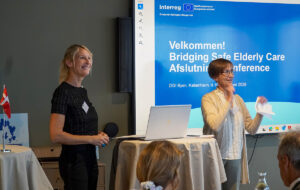
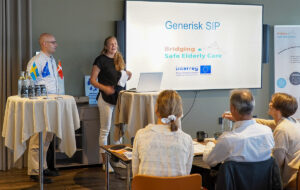
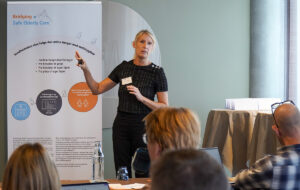
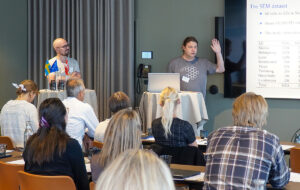
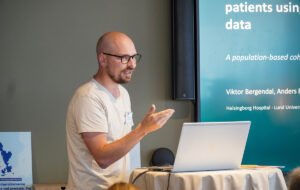
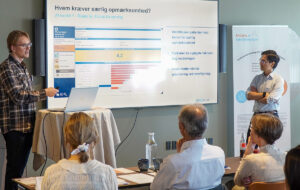
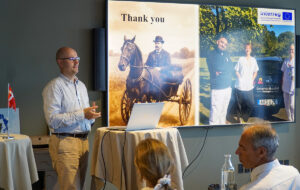
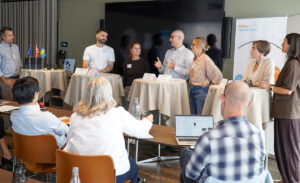
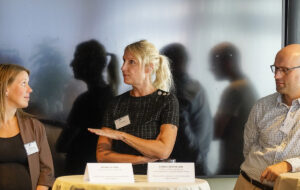
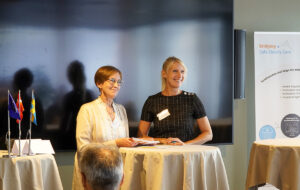
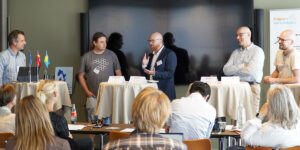
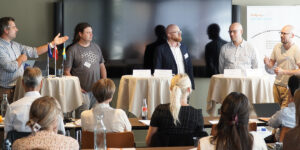
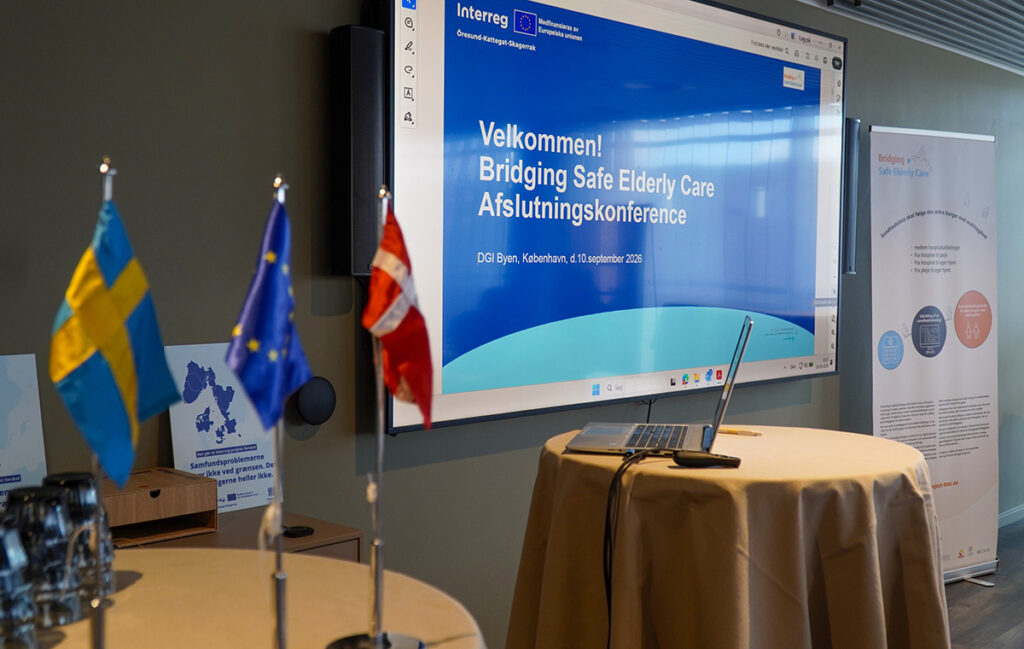
That was certainly how it felt when three years of work on the Danish-Swedish Bridging Safe Elderly Care project came to a close with a conference in Copenhagen last week.
The project partners presented results from their work with older patients with multimorbidity and transitions in healthcare – from internal transfers and hospital discharge to an individual patient plan, a mobile geriatric team, predictive models and the identification of patients at risk of readmission. And, not least, a prototype of a transition page in the Sundhedsplatformen (the electronic health record system), designed to make it easier to gain an overview of relevant information about each individual patient.
What all these solutions have in common is the ambition to create safer transitions for older people with multimorbidity and reduce the number of unnecessary readmissions.
But the conference was not just about the positive results. It was also about what we can learn – and what we can explore further:
💬 How can patients’ own experiences and perspectives play an even greater role in creating good care pathways?
💻 Data is available, and technology can help identify what matters most and present it in a way that makes sense in a busy clinical environment.
🤖 Could an ‘AI assistant’ eventually support the search for relevant information and contribute to a more comprehensive picture of the patient?
🏥 Should a frailty factor determine (night-time) patient transfers?
🤒 How much (wasted) time do healthcare professionals spend transferring patients – and can we learn from the Swedish healthcare system by putting the patient, rather than the treatment itself, at the centre of care?
There was also broad agreement on the importance of collaboration with municipalities and the need for technology that makes it easier to find, share and understand relevant information.
Digitalisation is not an end in itself. Above all, technology should make it easier to find, share and use the information that can make a difference to patients.
So perhaps it was not a closing conference after all.
Perhaps it was more of a results, recommendations and inspiration conference – with plenty of experience to take forward and new questions to explore.
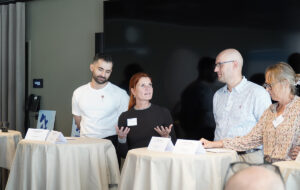
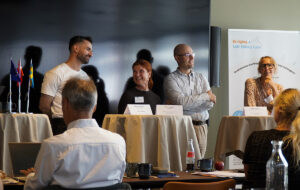
Thank you to everyone who attended, and to the project partners for three years of collaboration across the Øresund. And thank you to moderator Rasmus Øhrstrøm from Zealand University Hospital, and to Interreg Öresund-Kattegat-Skagerrak for the collaboration and support.